Tea and the British Empire: Canton, Silver, and Smugglers
Tea arrived in Europe in the early 17th century as a luxury for aristocrats. Within a hundred years it was the drink of the whole British nation — and the trade that supplied it shaped an empire. Britain paid for Chinese tea with silver, taxed it until smugglers carried more of it than the legal trade, and built its most powerful company, the East India Company, around a single leaf.
In short
Britain's tea came from China through the port of Canton, the only Chinese port open to European trade, and it was paid for almost entirely in silver, because China wanted little else Britain could offer. The East India Company held the monopoly on the legal trade, British taxes on tea reached about 119 percent, and smuggling grew so large that in 1783 smugglers brought in an estimated 7 to 8 million pounds of tea against 5.9 million pounds held legally.
One port, one customer
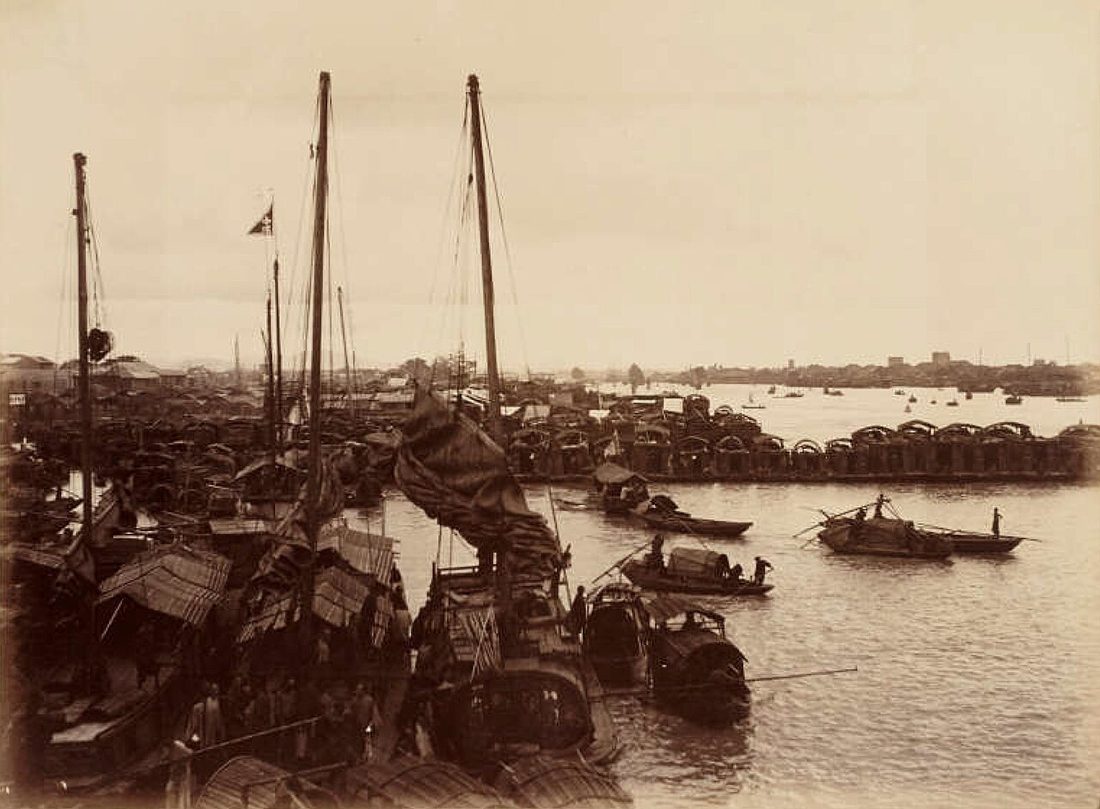
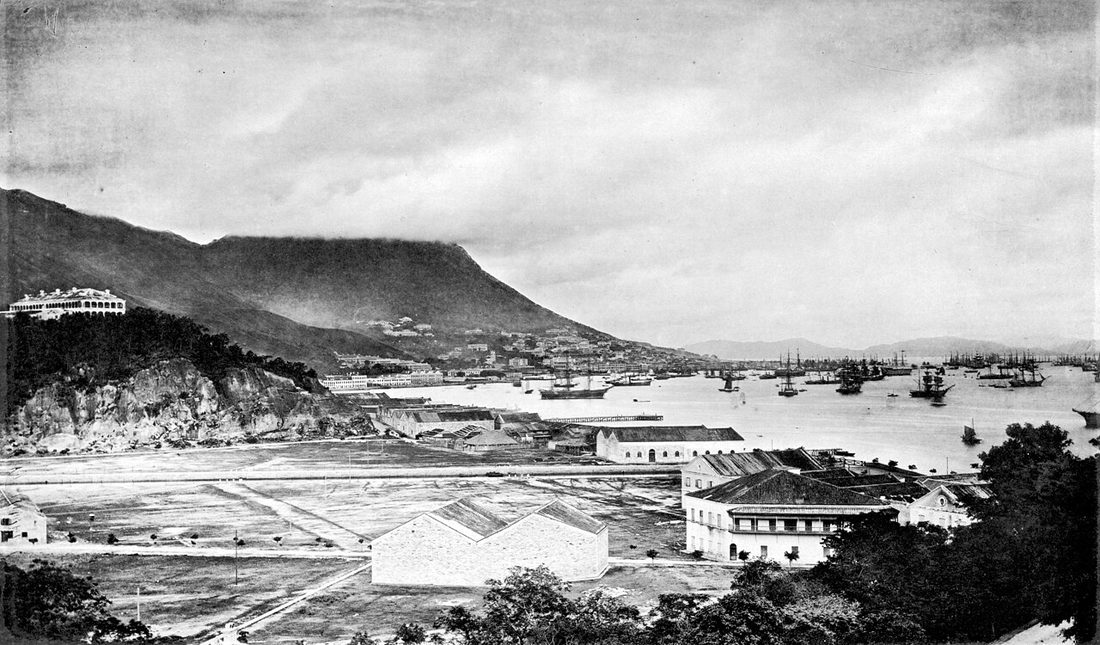
The British first established a trading post in Canton, China, in 1699. By the 1760s Canton was the only Chinese port open to European commerce, and all foreign trade was concentrated there. From the Chinese side, thirteen merchant firms, the Hongs, were the sole legitimate agents of trade with the West. The British export trade was concentrated in silk and tea, and the Crown became dependent on tea revenues.
China, meanwhile, was in charge of the rules. Foreigners could trade only at Canton, only through the Hongs, and only for silver. In 1800 there was little Chinese demand for Western products other than silver and clockworks. The result was a great one-way flow: silver went east, tea came west.
The Company's monopoly
The English, later British, East India Company had traded with China since the 17th century and held the monopoly on British trade with the East. By the late 18th century the Company had a monopoly on tea, and British tax rates on tea were as high as 100 percent, which not only led to the Boston Tea Party but also encouraged smuggling, with perhaps half the tea in England smuggled in from continental Europe.
The trade was a battle between companies as well as nations. The Dutch East India Company lost its primacy to Britain during the 1700s, but private traders and smugglers did as much as the great companies to popularise tea: cheap tea from auctions in Copenhagen, Gothenburg, and Amsterdam was carried across the North Sea by smuggling gangs, some of them violent — in 1747 the Hawkhurst Gang broke into the customs house at Poole to take back two tons of seized tea.
The tax cut that ended the smuggling
By 1783 the imbalance was absurd: the East India Company held 5.9 million pounds of legal tea in its warehouses, while smugglers brought in an estimated 7 to 8 million pounds — more British tea came in through the back door than the front. Britain did not win this war with soldiers. It won it with a tax cut: in 1784 Prime Minister William Pitt, on the advice of the tea merchant Richard Twining, cut the tea tax from 119 percent to 12.5 percent. Smuggled tea was soon no longer worth the risk, and the legal trade took over.
The silver problem, though, remained. To pay for tea and silk the British exported cotton and opium from India, and that second export would soon lead to war. The Company's monopoly on British trade with China ended in 1834, and private traders flooded in — but by then tea had already done its work: it had made the East India Company rich, filled the British Treasury, and given Britain a reason to care, fiercely, about what happened in China.
Sources: Fairbank, Reischauer and Craig, "East Asia, The Modern Transformation" (notes); Humble Tea Leaf, "The Danish Tea Trade: Copenhagen, Smugglers and 1807"; University of Warwick, "Have your tea and drink it too" Checked 27 November 2026.