Tea Around the World: Afternoon Tea, Mint Tea, Samovars, and Bubble Tea
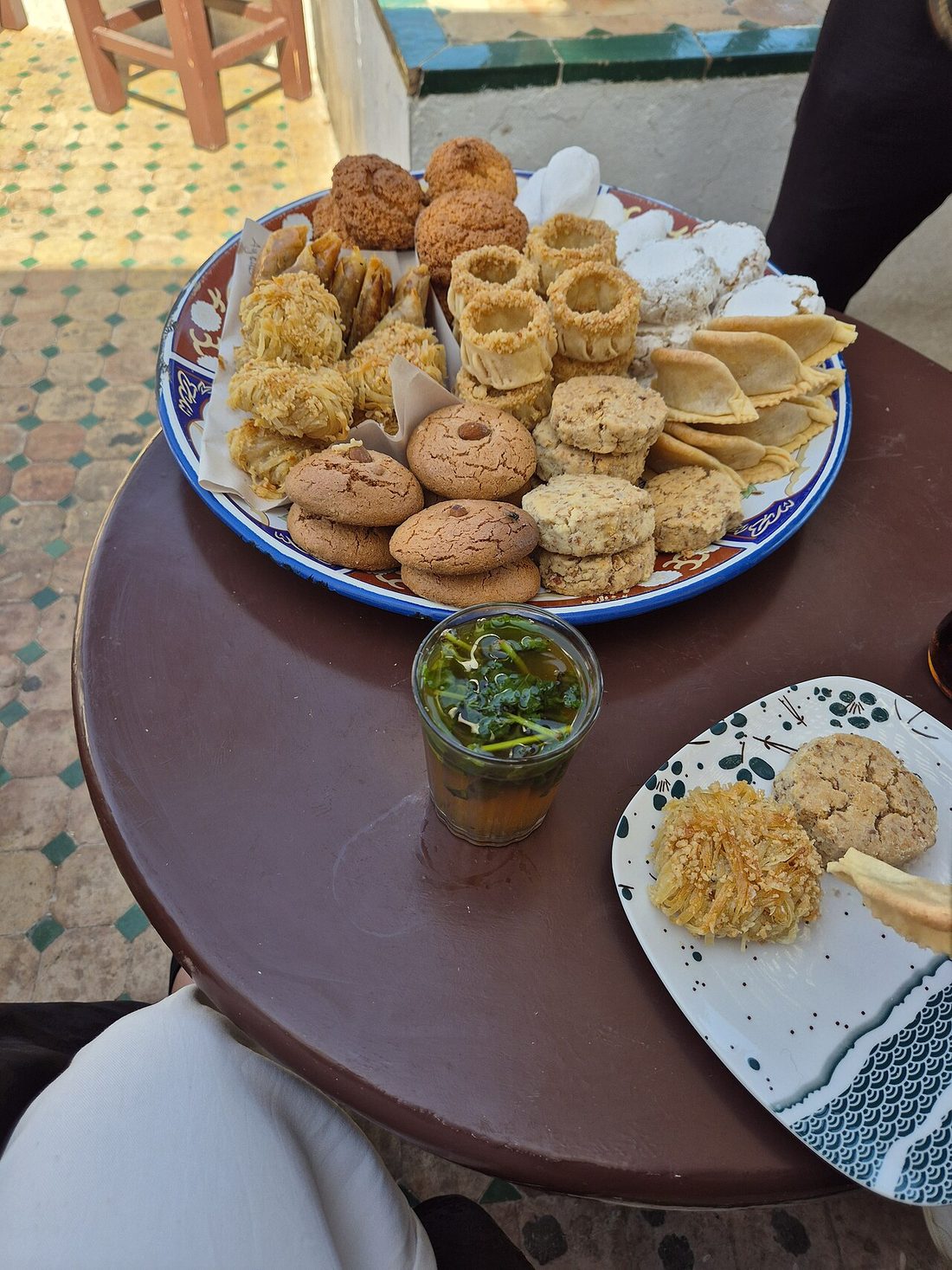
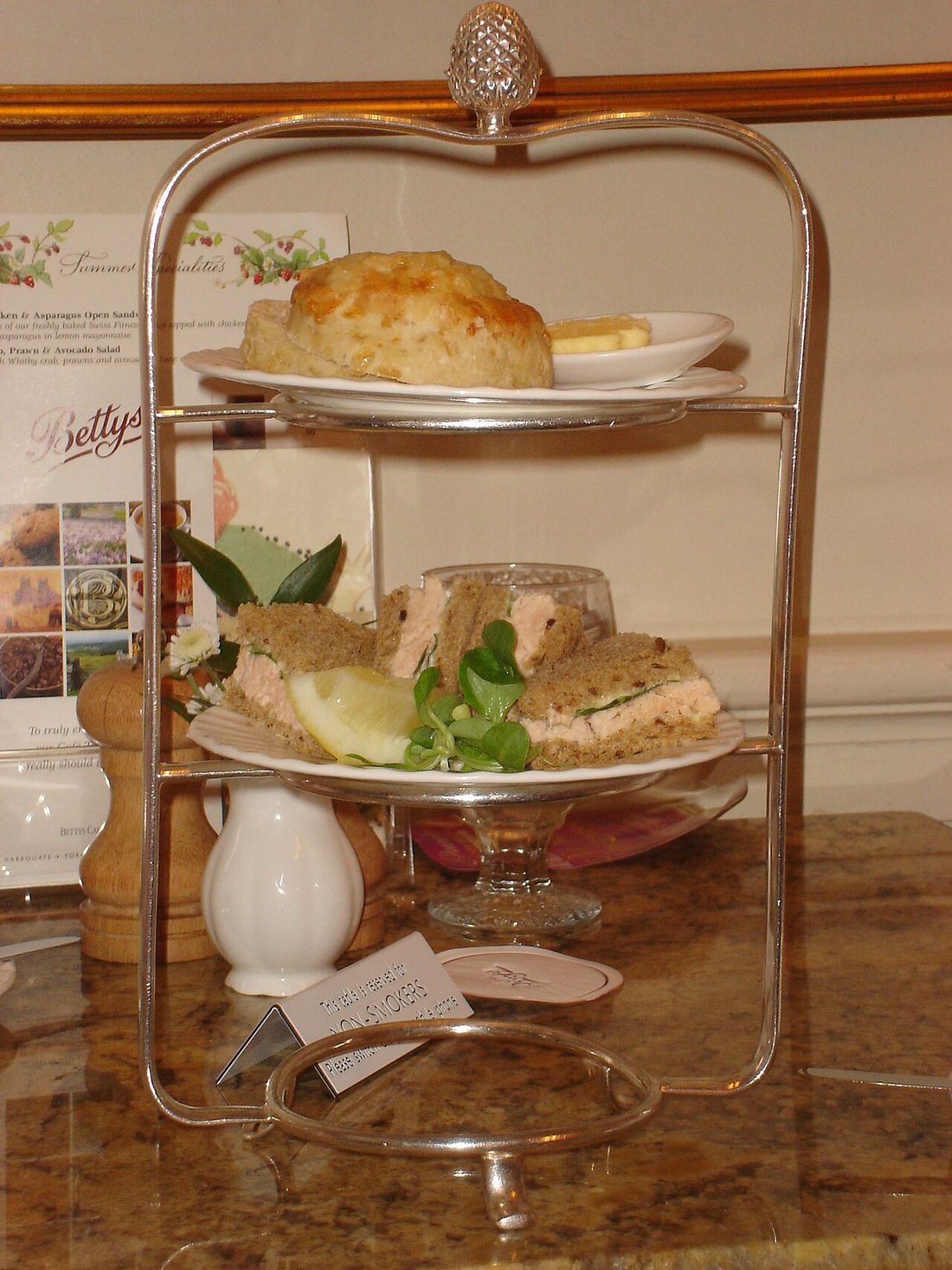

Tea is the world's most consumed drink after water, and almost every country that drinks it has made the habit its own. Britain turned it into a meal. Morocco turned it into a welcome poured from a height. Russia built a whole appliance around it. India spiced it and sweetened it with milk. And Taiwan, in the 1980s, turned it into a cold drink with chewy pearls at the bottom. Same leaf, a dozen different rituals.
In short
Tea is the world's most consumed drink after water, according to the FAO, and it is drunk in almost every country. Britain has afternoon tea, credited to Anna Maria Russell, the 7th Duchess of Bedford, around 1840. Morocco serves gunpowder green tea with mint, poured from a height. Russia brews strong tea in a samovar. India drinks spiced milk chai. Taiwan invented bubble tea in the 1980s.
Britain: afternoon tea
Tea became fashionable among wealthy Britons during the 17th century before spreading much more widely through society. The tradition we now recognise as afternoon tea developed much later, during the 19th century. It is credited to Anna Maria Russell, the 7th Duchess of Bedford, around 1840. As dinner drifted later into the evening, the Duchess complained of a sinking feeling in the afternoon and began taking tea with light food in her rooms. She invited friends to join, the habit spread through fashionable society, and Queen Victoria later embraced it.
Afternoon tea is a light mid-afternoon meal of tea with sandwiches, scones, and cakes, traditionally served on a tiered stand. It is worth distinguishing from high tea, which historically was a heartier working-class evening meal eaten at a high dining table, not the genteel affair the name suggests to many today.
Morocco: mint tea and the high pour
Maghrebi mint tea, called atay, is gunpowder green tea brewed with fresh spearmint and plenty of sugar. It is the national drink of Morocco and a fixture of daily life across the Maghreb. Tea is brewed in a metal pot and poured into small glasses from a height, sometimes a foot or two above the glass. The high pour aerates the tea, mixes the sugar, and raises a light foam on top; it is also a gesture, as the height of the pour signals the warmth of the welcome. Three glasses are the custom, and refusing is impolite.
Russia, India, and Tibet
In Russia, tea arrived overland from China by camel caravan, and the samovar — a metal urn that keeps water hot all day — became the centre of the household. Strong black tea is brewed as a concentrate in a small teapot on top of the samovar, then diluted to taste in the cup, often served with jam, lemon, or sugar held between the teeth.
India's chai is black tea boiled with milk, sugar, and spices such as cardamom, ginger, and cinnamon, sold by street vendors and drunk all day. Tibet drinks butter tea: tea churned with yak butter and salt, a warming, salty drink that suits life at high altitude — and a reminder that tea has been used as food and currency as well as drink; in Siberia, Mongolia, and Tibet, blocks of compressed tea were once used as money.
The newest tradition: bubble tea
Bubble tea, also called boba or pearl milk tea, is iced, sweetened tea, often with milk, served with chewy tapioca pearls and sipped through a wide straw. Born in 1980s Taiwan, it grew from a local treat into a global phenomenon. Two Taiwanese tea houses both claim to have invented it in the mid-1980s: Chun Shui Tang in Taichung, where a product-development manager is said to have added sweet tapioca to iced tea around 1987-88, and Hanlin Tea Room in Tainan. A long legal battle never settled the question, and because the drink was never patented, anyone may make it — and everyone does.
Tea's newest customs are still being written. Iced tea became popular in America after the St. Louis World's Fair in 1904, the tea bag was popularised by a New York merchant in the early 1900s, and today iced, bottled, and bubble teas sell in cities that never grew a tea bush. The leaf that left China two thousand years ago now belongs to everyone.
Sources: Best Tea Bags, "Tea Ceremonies and Traditions Around the World"; Pop and Thistle, "Celebrating International Tea Day and Exploring Global Tea Traditions"; FAO, "Tea — Markets and Trade" Checked 27 November 2026.