The Boston Tea Party: 342 Chests into the Harbor
On the night of 16 December 1773, a group of American colonists boarded three ships in Boston Harbor and threw their cargo into the water. It was not a riot about the price of tea — the tea was actually cheap. It was a protest about who had the right to tax Americans, and about a company that Parliament had just handed a monopoly. The tea was worth about 10,000 pounds, and its destruction pushed Britain and its colonies a long step closer to war.
In short
The Boston Tea Party took place on the night of 16 December 1773, when members of the Sons of Liberty, some disguised as Mohawk Indians, boarded the ships Dartmouth, Eleanor, and Beaver in Boston Harbor and dumped 342 chests of East India Company tea, about 92,000 pounds, into the water. They were protesting the Tea Act of May 1773 and the principle of taxation without representation.
A company in trouble
The protest began with the financial problems of the British East India Company. The Company was teetering on the edge of bankruptcy, and in May 1773 Parliament passed the Tea Act to save it. The Act gave the Company a monopoly on all tea exported to the colonies, an exemption on the export tax, and a refund on duties owed on surplus tea in its warehouses. The Company could now sell tea directly to agents in America, cutting out the wholesalers, and at a price low enough to undercut even tea smuggled in by Dutch traders.
That low price was the problem. Many colonists saw the Act not as a bargain but as another example of taxation tyranny: Parliament was asserting its right to tax the colonies, and using a monopoly to do it. The dispute was about the extent of Parliament's authority over the American colonies without seating any elected representation.
The night of 16 December
In September and October 1773, seven ships carrying East India Company tea were sent to the colonies: four bound for Boston, and one each for New York, Philadelphia, and Charleston. The ships contained over 2,000 chests, nearly 600,000 pounds of tea. Some colonial ports persuaded the tea ships to turn back to England, but in Boston Governor Thomas Hutchinson refused to let the ships leave.
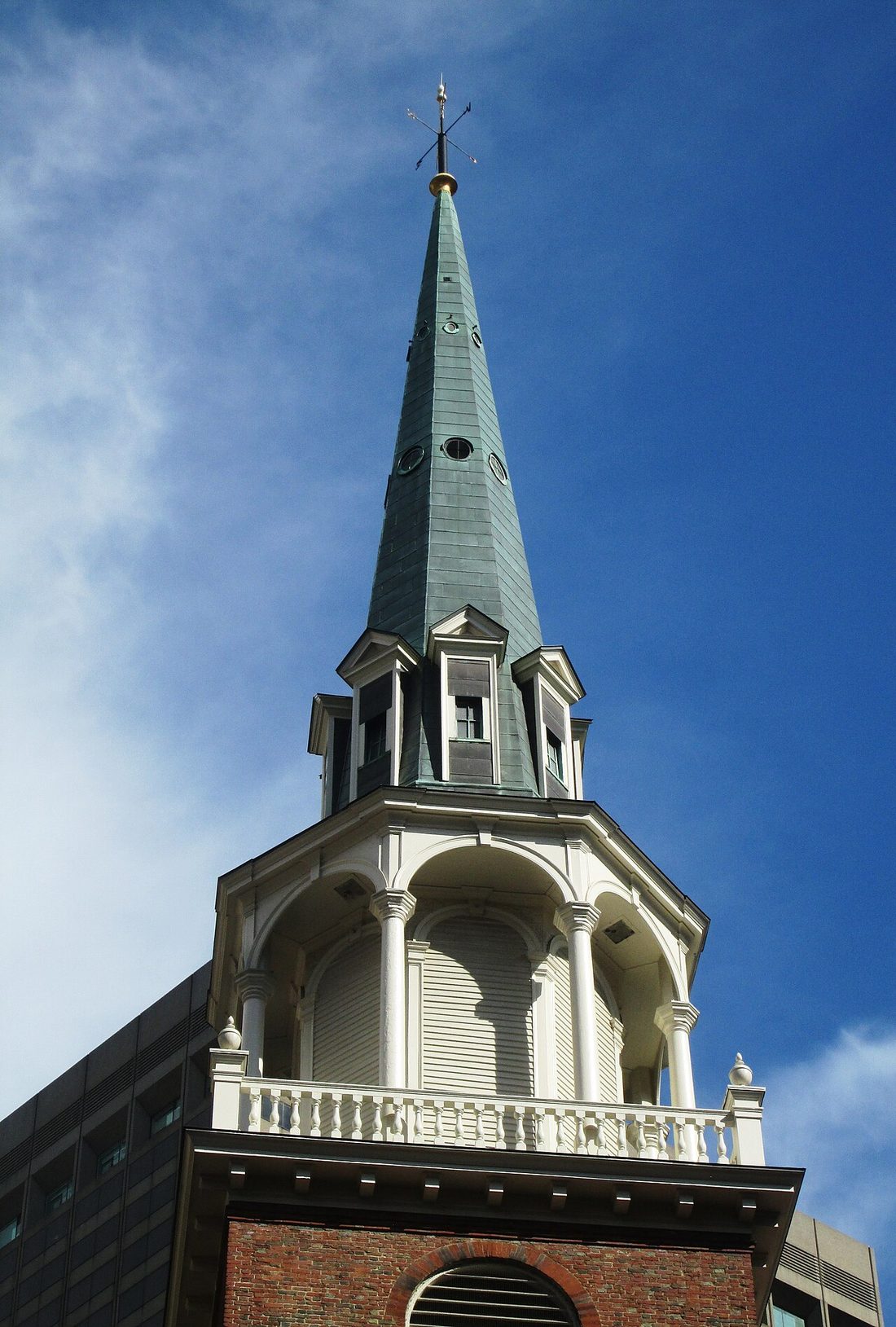
On 16 December, the day before the tax deadline, thousands gathered at the Old South Meeting House. After word came that Hutchinson had again refused to allow the ships to leave, the assembly voted to prevent the tea from being unloaded. That evening, between 30 and 130 men, most of them members of the Sons of Liberty, boarded the three vessels. Some were dressed as Mohawk warriors to hide their identities. Over about three hours they pried open the 342 chests with axes and dumped the tea overboard. The property damage amounted to about 92,000 pounds of tea, reported by the East India Company as worth about 9,659 pounds — roughly 10,000 to 18,000 pounds by different accounts of the time.
What followed
When the sun rose on 17 December, the governor condemned the act as treason. Parliament decided to punish Boston and issued a series of punitive acts in early 1774, known collectively as the Intolerable Acts. Their passage helped spark the American Revolutionary War of 1775-1783. A protest about tea — about a tax, a monopoly, and who gets to decide — had become one of the most iconic episodes of the American Revolution.
Sources: Encyclopaedia Britannica, "Boston Tea Party"; Wikipedia, "Boston Tea Party"; History.com, "The Boston Tea Party" Checked 27 November 2026.