How Tea Is Made: From Leaf to Cup
Green tea, black tea, white tea, oolong — they all come from the same plant. What makes them different is not the leaf but what happens to it after picking: how long it is left to wilt, whether it is rolled or bruised, how much air it meets, and when heat stops the change. One plant, six kinds of tea, and a sequence of steps that tea makers have refined for centuries.
In short
All true tea is made from the leaves of one plant, Camellia sinensis. After picking, the leaves are withered, then rolled or bruised, which lets enzymes and oxygen change them in a process called oxidation. Heating, called fixation, stops oxidation, and drying makes the tea shelf-stable. Green tea is barely oxidised; oolong is partly oxidised; black tea is fully oxidised. White, yellow, and dark teas use variations of the same steps.
One plant, six teas
All types of tea made with the leaves of the tea plant, Camellia sinensis, can be made from the leaves of the same plant. The six traditionally recognised groups are white, green, yellow, oolong, black, and dark tea. What places a tea in one of these categories is principally its processing: when the leaves are withered, heated, bruised, rolled, oxidised, and dried. The system comes from Chinese tea classification, formalised in the Chinese national standard and the international standard ISO 20715:2023.
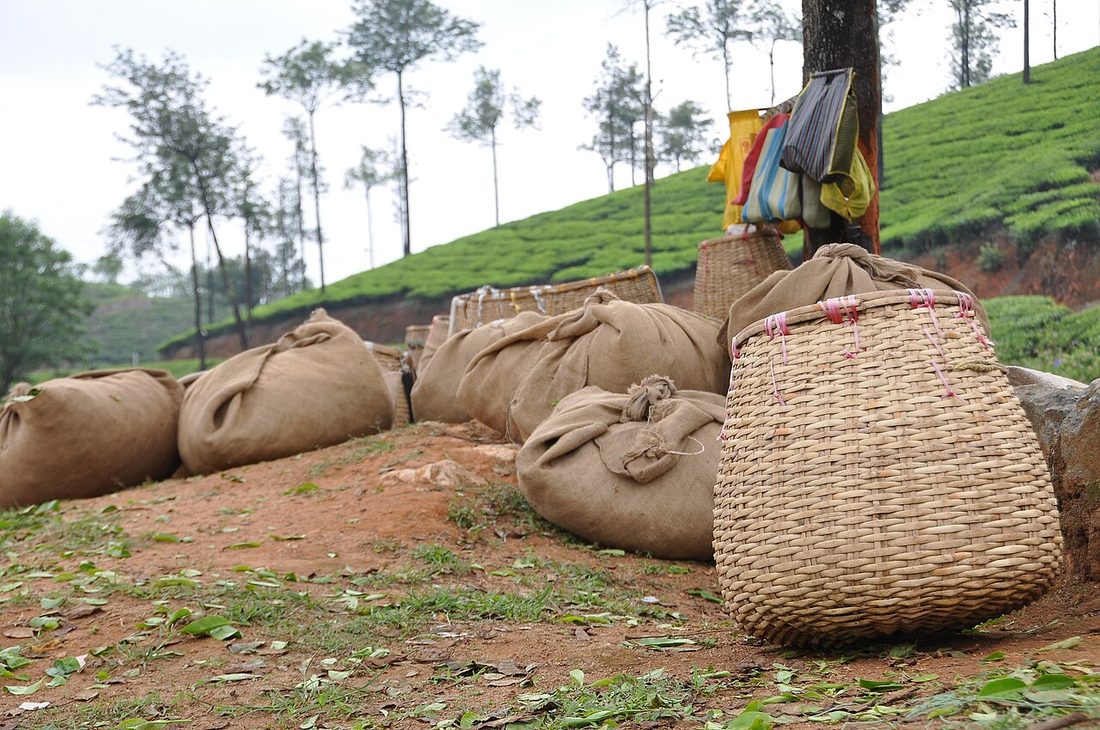
Tea grows in a number of Asian, African, and South American countries, but it is a plant of warm, wet hillsides: it needs rain, acid soil, and altitude to grow slowly and develop flavour. Pickers take the fresh young leaves — the top two, three, or up to five leaves, including the emerging bud.
The steps, in order
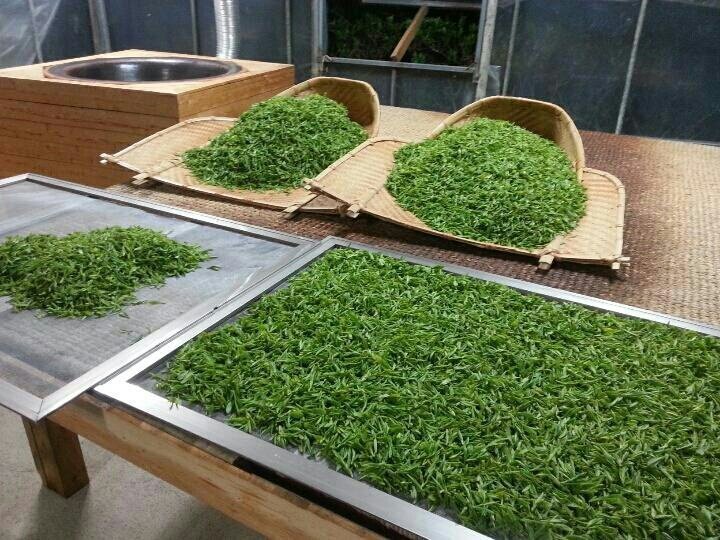
Withering comes first for most teas. Harvested leaves are spread out in a thin layer and left to lose moisture, until they soften and become pliable enough to roll without breaking. Controlled withering can remove up to half the water in the leaves.
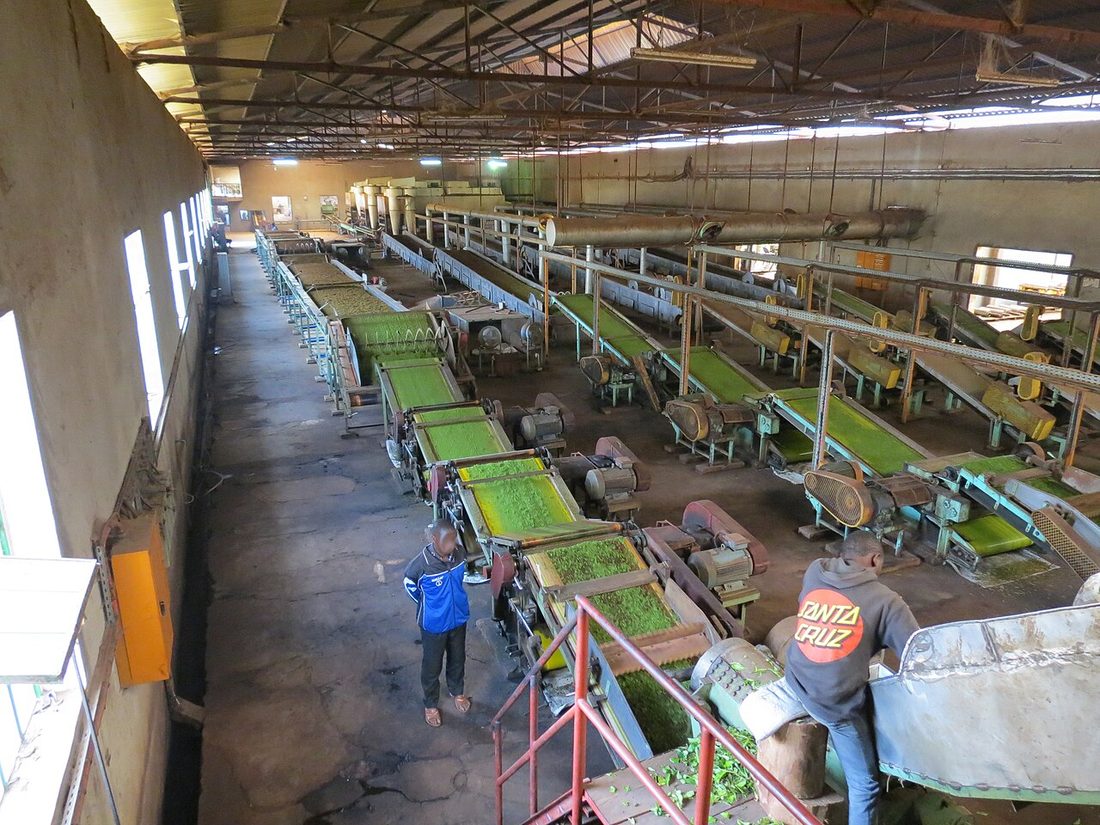
Next comes bruising and rolling. Leaves are handled, shaken, or rolled by hand or machine to break down their cell walls, releasing cell contents and exposing enzymes to the air. Rolling also shapes the leaf — curling it, twisting it, or, in the CTC method used for most tea bags, crushing, tearing, and curling it into small particles that brew quickly.
Oxidation is the step that decides the tea. When the leaf's cells are broken, enzymes meet oxygen and the leaf darkens, like an apple slice turning brown. In tea processing, oxidation begins when leaves are bruised, rolled, or cut, which frees chemicals called polyphenols. The longer oxidation runs, the darker and stronger the tea becomes. The trade still often calls this step fermentation, but in black tea and oolong it is enzymatic oxidation, not the work of microbes.
Fixation stops it. Processors heat the leaves quickly — by steaming, the Japanese method, or by heating in a pan or wok, the Chinese method — to deactivate the enzymes and preserve the colour. Then the leaves are dried, which makes tea shelf-stable and helps prevent mould.
How each tea is different
Green tea is not oxidised at all: the leaves are withered and dried, then spend time in hot roasting pans, rolled, returned to the pans, and rolled again. White tea is picked while the leaves are still budding, covered in fine white hairs that give the tea its name; the leaves are lightly steamed and dried. Oolong sits in the middle: the leaves are wilted and lightly bruised, then partially oxidised before fixation, which gives oolongs their floral, creamy, or roasted character.
Black tea is fully oxidised: withered, rolled or cut, left to oxidise extensively, then dried. In China black tea is called red tea, after the colour of the liquor. Dark tea, such as ripe pu-erh, goes further still, with microbial fermentation during a moist pile stage. And the difference shows in the cup: green teas are lower in caffeine than black teas, and the same leaf can taste grassy, malty, floral, or smoky depending on nothing more than how it was handled after picking.
Sources: Washington State University, "Tea Types and Home Processing"; EBSCO Research Starters, "Tea processing"; RealiTea, "The six types of tea: how processing changes the leaf" Checked 27 November 2026.