Tea Reaches Japan: Zen Monks and the Tea Ceremony
Tea came to Japan from China, carried by Buddhist monks who drank it to stay awake through long hours of meditation. What arrived as a monastery drink became, over four centuries, something entirely Japanese: the tea ceremony, a small quiet room, a whisked bowl of powdered green tea, and a philosophy that finds beauty in simplicity and imperfection.
In short
Tea was introduced to Japan from China by Buddhist monks, first in the 8th century and decisively in 1191, when the Zen monk Eisai returned from China with tea seeds and the method for whisking powdered green tea, now called matcha. Over the next four centuries Zen monks and tea masters turned it into chanoyu, the tea ceremony, perfected in the 16th century by Sen no Rikyu (1522-1591).
The monks bring tea
Tea was introduced to Japan in the 8th century by visiting monks, traders, and diplomats. According to tradition, the monk Saicho, founder of Tendai Buddhism, brought tea seeds to Japan around 805 and planted them on Mount Hiei. The earliest mention of tea in Japanese literature comes in the Nihon Koki, written around 840, where Emperor Saga is described drinking a bowl of tea served by the monk Eichu.
For its first centuries in Japan, tea was a monastery drink. Zen Buddhist monks valued it because it was thought to aid meditation and ward off sleep, and its origins in Chinese Buddhist monasteries were medicinal: a stimulant to keep monks alert.
Eisai and the turning point
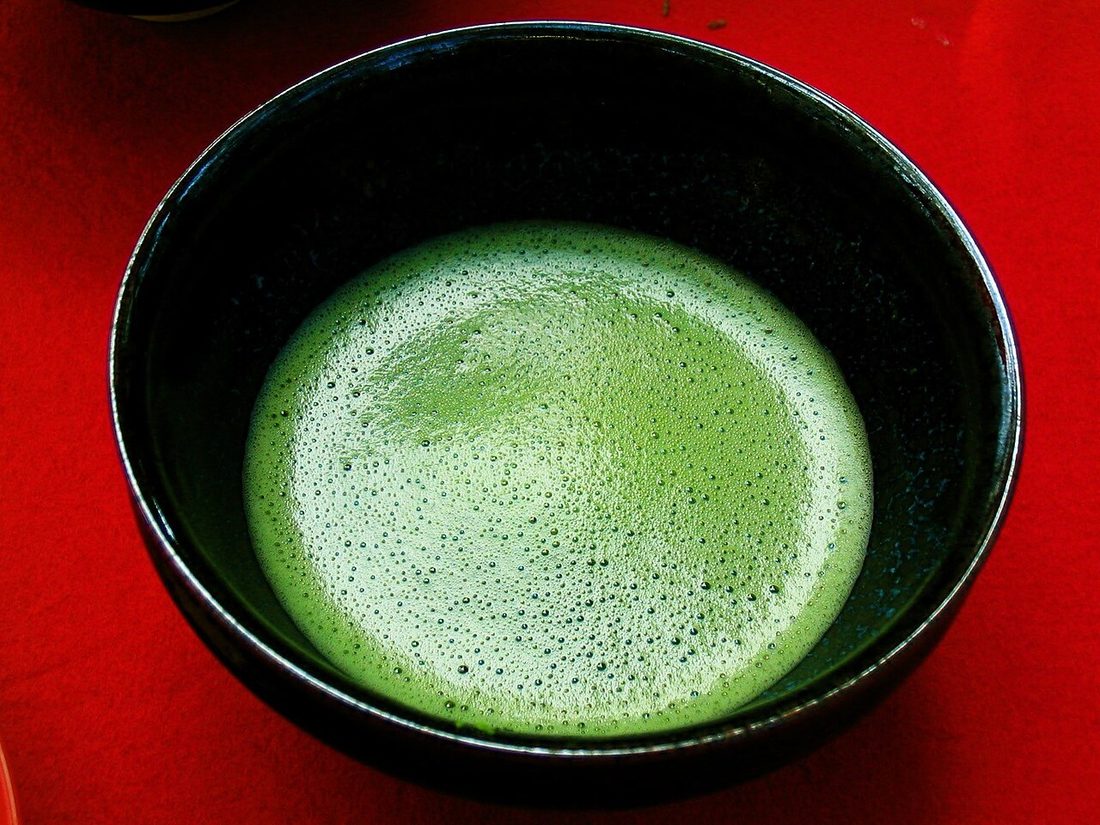
The turning point came in 1191, when the monk Myoan Eisai (1141-1215) returned from studying in China with seeds for growing tea and a method for making matcha, a powdered green tea whisked into a frothy drink. Eisai also brought Zen Buddhism to Japan and is considered the founder of Rinzai Zen. In 1211 he wrote a treatise on the benefits of drinking tea, the Kissa Yojoki, or Notes on Curative Tea-Drinking, which he presented to the shogun Minamoto no Sanetomo.
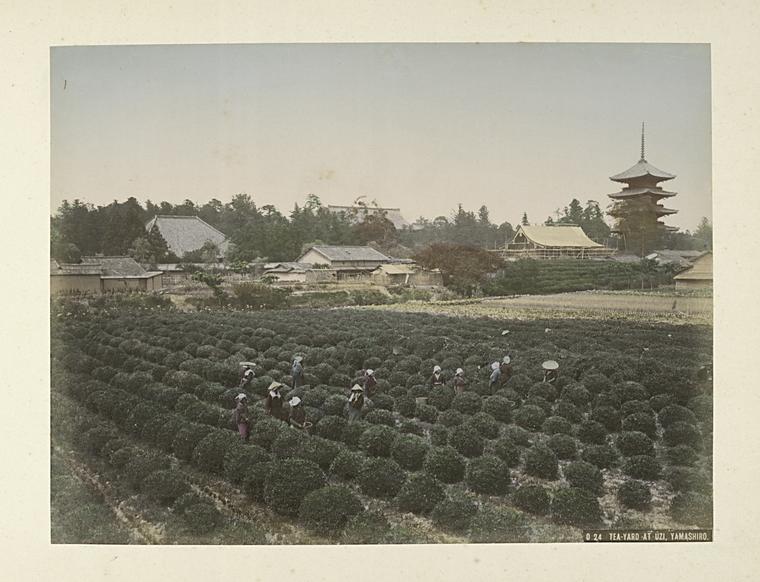
At that point drinking tea was established in Japan, but it had not yet become a structured ritual. In the Kamakura period (1185-1333) tea was still understood mainly as medicine, though it was gradually becoming a basis for socialising. By the 16th century the plant was grown across Japan, tea shops sold it in cities, towns, and villages, and nearly everyone in Japanese society was drinking it.
From tea parties to the ceremony
Early Japanese tea parties were boisterous occasions where guests tried to guess which tea they were drinking. In the 15th century the shogun Ashikaga Yoshimasa made the gathering quieter and more formal, giving the ruling class a setting for discreet conversation. Then three tea masters shaped the ritual: Murata Shuko (1423-1502), a Zen monk who moved tea from the lavish banquet hall into a small, plain room; Takeno Joo (1502-1555), who furthered that Zen simplicity; and Joo's disciple Sen no Rikyu (1522-1591).
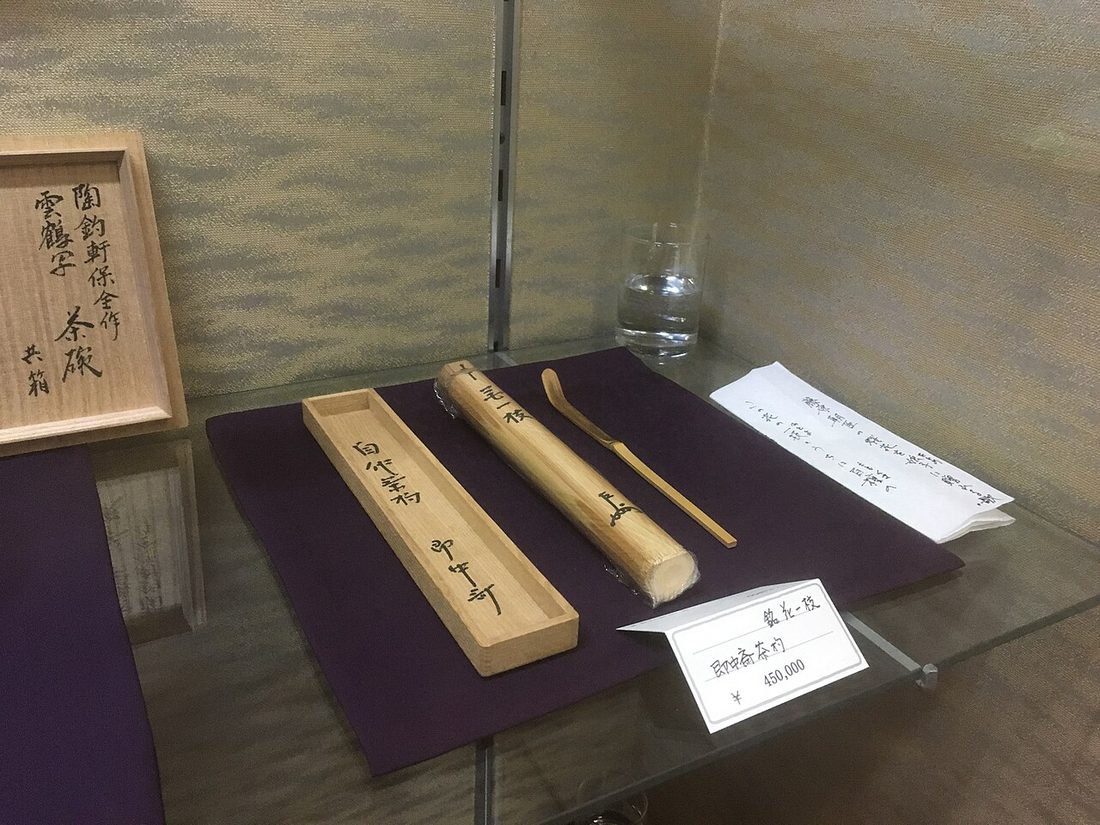
Rikyu had the most profound influence on the ceremony. His guidelines for its procedures and utensils, as well as teahouse architecture and tea-garden landscaping, are the basis for the modern schools of the way of tea. He combined the quiet simplicity of wabi with an appreciation for the old and faded, called sabi. The ceremony, called chanoyu or sado, became a codified ritual: preparing and serving powdered green tea with total attention to the moment and to the guest.
What Japan kept, and what it changed
China moved on to steeping loose leaves. Japan kept the whisk. That single difference explains much of Japanese tea culture: matcha stayed the tea of the ceremony and the temple, while in 1738 a farmer in Uji named Nagatani Soen worked out the steam-and-roll method for sencha, a steeped green tea that became the tea of the household. The two traditions never merged, and both are still alive today, taught by the three Sen schools — Urasenke, Omotesenke, and Mushakojisenke — founded by Rikyu's grandson's sons.
Sources: National Geographic, "How samurai, statesmen, and scholars shaped the Japanese tea ceremony"; World History Encyclopedia, "The History of Japanese Green Tea"; Yu Tea, "Japanese Tea Culture: History, the Ceremony and the Daily Cup" Checked 27 November 2026.