Tea in Culture: Ceremonies, Literature, and Art
Few drinks have inspired as much ceremony, writing, and art as tea. In China it became a subject for poets and a ritual of hospitality. In Japan it became a philosophy in a bowl. In Britain it became a social institution with its own furniture, manners, and novels. Tea is a drink, but for three thousand years it has also been a way of saying something about how life should be lived.
In short
Tea shaped the cultures of China, Japan, and Britain in different ways. China gave it a book, Lu Yu's Classic of Tea (c. 760), and the gongfu style of brewing with small pots and many short infusions, especially in Fujian and Guangdong. Japan gave it the tea ceremony, chanoyu, perfected by Sen no Rikyu in the 16th century. Britain gave it afternoon tea and a place in its literature, and Okakura Kakuzo's The Book of Tea (1906) carried the philosophy of tea to Western readers.
China: tea as an art
In China, tea is one of the seven necessities of daily life, alongside firewood, rice, oil, salt, soy sauce, and vinegar. It appears in poetry from the Tang dynasty onward, where poets wrote about mountain mists, spring water, and the quiet of a tea house. The gongfu style of brewing — literally, tea made with skill — uses a small teapot, tiny cups, and many short infusions of the same leaves, so the flavour changes from cup to cup. It is especially associated with Fujian and Guangdong provinces in the south.
Chinese tea culture also values the objects: Yixing clay teapots, said to improve with use as they absorb the flavour of the tea, and the long list of utensils Lu Yu described in the Classic of Tea. Offering tea to a guest is a gesture of respect, and in Chinese weddings the couple serves tea to their parents as a sign of gratitude. In 2022 UNESCO listed traditional Chinese tea processing techniques and their associated social practices as intangible cultural heritage.
Japan: tea as a philosophy
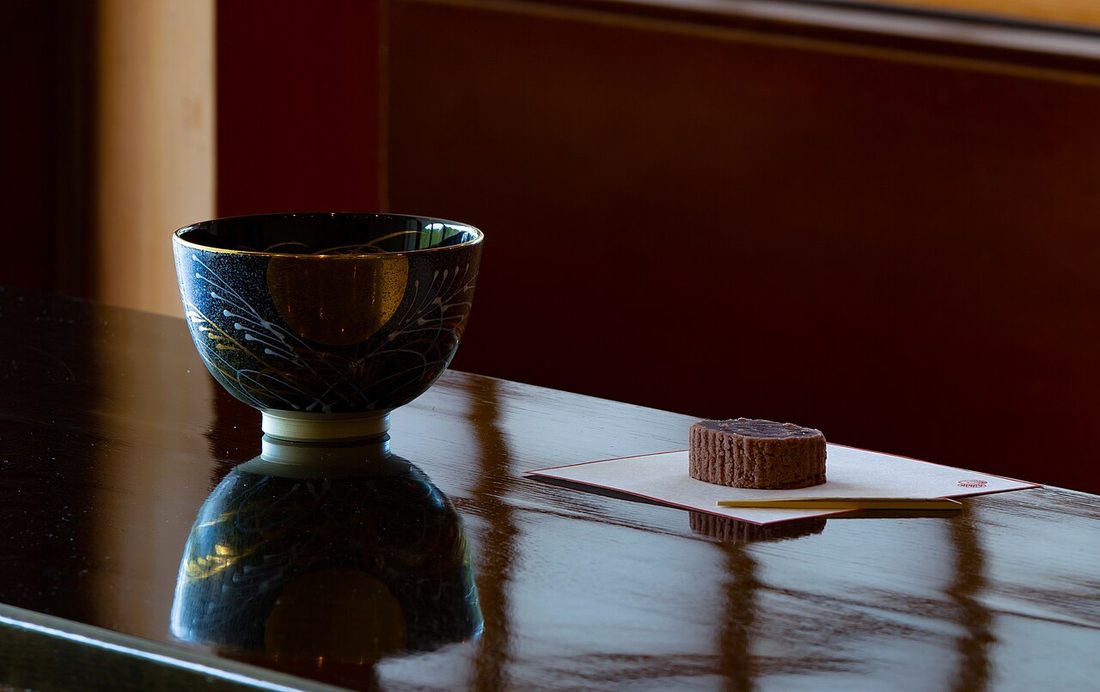
Japan took the Chinese drink and made it a way of life. The tea ceremony, chanoyu, is a codified ritual rooted in Zen thought, designed to achieve total immersion in the moment and shared intimacy with fellow guests. Its four principles, set out by Sen no Rikyu, are harmony, respect, purity, and tranquillity. The aesthetic of wabi-sabi — beauty in simplicity, age, and imperfection — is expressed in the rustic bowl, the plain room, and even in kintsugi, the art of mending broken tea bowls with gold lacquer so the cracks are highlighted rather than hidden.
The ceremony's influence spread far beyond the tea room, into garden design, pottery, calligraphy, and architecture. In 1906 Okakura Kakuzo published The Book of Tea in English, explaining the philosophy of tea — Teaism, as he called it — to Western readers, and it remains the best-known introduction to Japanese tea culture in the West.
Britain and beyond: tea as a social institution
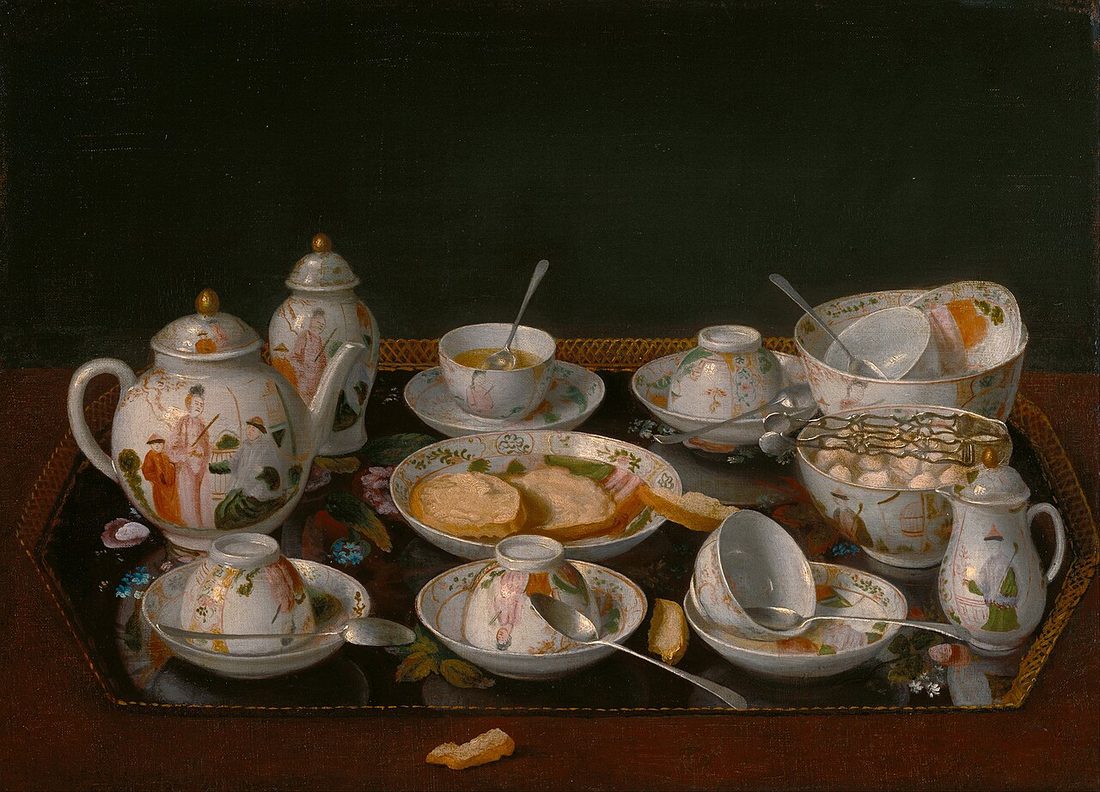
In Britain, tea changed the day itself: the afternoon tea of the 1840s, the tea break at work, and the phrase "not my cup of tea" all come from a drink that arrived as a luxury and became a necessity. Tea fills English literature, from the Mad Hatter's tea party in Alice's Adventures in Wonderland to the endless cups in the novels of Jane Austen's world. In Russia the samovar became the centre of the home, and the ritual of the long tea table, with conversation stretching for hours, became a literary setting of its own.
Tea's cultural reach is still growing. The Japanese tea ceremony is practised internationally, matcha has become a global flavour, and the United Nations marks International Tea Day on 21 May each year. A leaf first boiled in China three thousand years ago is now poured in tea houses from Kyoto to Istanbul to London — and everywhere it is poured, it carries a little of the culture that first learned to love it.
Sources: National Geographic, "How samurai, statesmen, and scholars shaped the Japanese tea ceremony"; Best Tea Bags, "Tea Ceremonies and Traditions Around the World"; Asian Art Federation, "Tea Ceremony Traditions and Cultural Art" Checked 27 November 2026.