Tea Spies and Stolen Seeds: Robert Fortune and the Assam Plant
China had kept the secret of tea for more than a thousand years: not just the plant, but how to turn its leaves into black and green tea. Britain decided to steal the whole secret — plant, seeds, and skill. The man it sent was a Scottish botanist named Robert Fortune, who shaved his head, wore a false queue, and walked into tea districts where a foreigner's presence was a crime.
In short
In 1848 the East India Company sent the Scottish botanist Robert Fortune into China, disguised as a Chinese merchant, to obtain tea plants, seeds, and the knowledge of making black and green tea. Between 1849 and 1851 he shipped tens of thousands of plants and seeds to India in Wardian cases, along with eight Chinese tea craftsmen. His work broke China's monopoly and helped build the tea industries of India.
Why Britain needed to steal tea
After the First Opium War ended in 1842, British botanists seized the opportunity for a series of plant transfers from China. The East India Company had lost its monopoly on British trade with China in 1834, and it had a problem it could not solve by buying: tea was among Britain's most profitable trades, yet the supply sat entirely in Chinese hands. In 1788 the Royal Society of Arts had already begun discussing transplanting saplings from China.
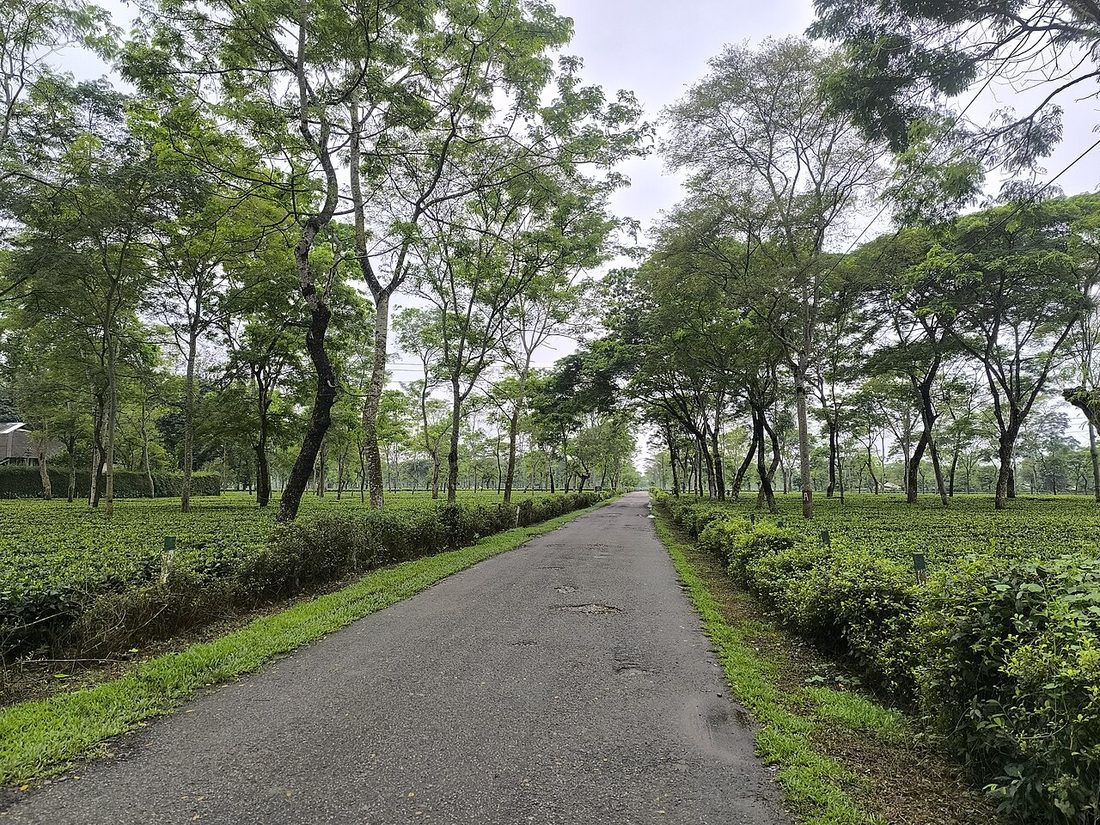
There was also a local plant. In 1824 tea saplings were discovered growing wild in Assam by Robert Bruce and Maniram Dewan. The first black tea from Assam was sold at the London tea auction in 1839, and the first tea plants in Darjeeling went into the ground in 1841. But the Assam plant made a rough tea that British drinkers did not like, and the Chinese method of manufacture was still a secret.
Fortune's mission
Fortune was a reasonable choice. He had already spent three years collecting plants in China for the Royal Horticultural Society, from 1843 to 1846, so he knew the country and the trade. On 17 May 1848 he received a letter from the East India Company asking him to return to China for the purpose of obtaining plants and seeds of the best descriptions of tea and conveying them to Calcutta and eventually to the Himalayas.
In the autumn of 1848 Fortune entered China in disguise, his head shaved with a false pigtail, dressed as a Chinese merchant, accompanied by his servant Wang. He travelled to the great tea districts foreigners were forbidden to enter: the Wuyi mountains in Fujian for black tea, and Zhejiang and Anhui for green tea, including the famous Dragon Well region. As he wrote in his book Three Years' Wanderings in the Northern Provinces of China, he believed he made "a very fair Chinaman".
What he found, and what he took
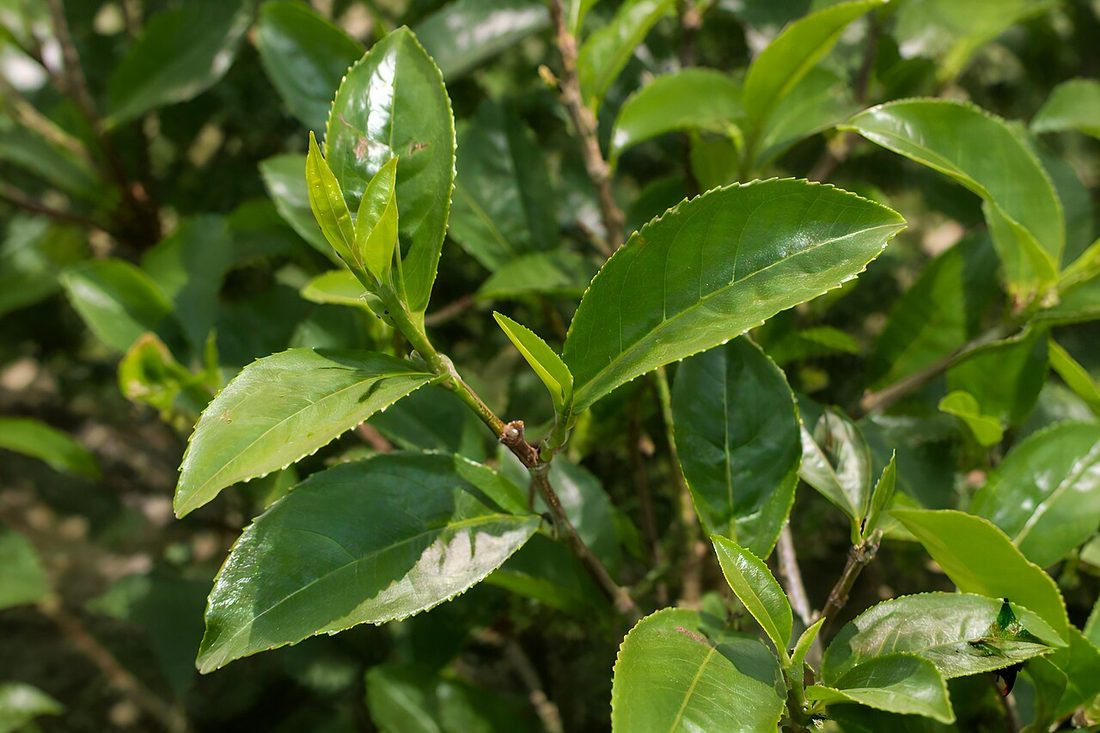
In Wuyi, Fortune confirmed something that stunned British botany: black and green teas come from the same plant, Camellia sinensis, handled differently. He also found that the Chinese doctored some green tea exported to Europe with Prussian blue and gypsum to achieve the colour Europeans expected.
The clever part was transport. Fortune packed his plants in Wardian cases, sealed glass boxes invented two decades earlier that worked as portable miniature greenhouses, recycling their own moisture and keeping the contents alive across months at sea. By his own count, upwards of twenty thousand tea plants reached the Company's gardens from the shipments he sent between 1849 and 1851, and a spare bushel of seed sown at Calcutta added about twelve thousand more. He also recruited the skill itself: six tea makers and two lead-box makers from the green-tea districts sailed with him in February 1851.
One correction to the popular story: Fortune's plants did not go to Assam. They went to the Company's nurseries at Saharanpur and on to the hill gardens of Kumaon, Kangra, and Darjeeling. Assam already had its own native tea plant, Camellia sinensis var. assamica, and many of Fortune's Chinese plants failed to take. But the knowledge he brought — how to make black tea, how to roll and fire the leaf — combined with the Assam plant to build an industry that, within a generation, meant Britain no longer depended on China for its cup of tea.
Sources: TeaTime Magazine, "The Man Who Stole China's Tea"; The Hindu, "How chai arrived in India 170 years ago"; The Teaconomist, "The Tea Heist Everyone Remembers Wrong" Checked 27 November 2026.