Tea and Health: What Research Actually Says
Tea has been called a medicine for three thousand years, and modern headlines still promise a great deal for it. The real research is more modest — and more interesting. Tea is a low-calorie drink with caffeine and plant compounds called polyphenols, and large studies link drinking a few cups a day with better heart health. But most of that evidence shows associations, not proof, and no tea prevents or cures any disease.
In short
Research links drinking about 2 to 3 cups of tea a day with a lower risk of premature death, heart disease, stroke, and type 2 diabetes, according to Harvard's T.H. Chan School of Public Health — but these are observational studies, which show associations, and randomised trials are needed to show cause and effect. Tea contains caffeine (about 28 mg in a cup of green tea, 47 mg in black tea) and polyphenols, and plain unsweetened tea has almost no calories. It is a healthful habit, not a medicine.
What is in a cup
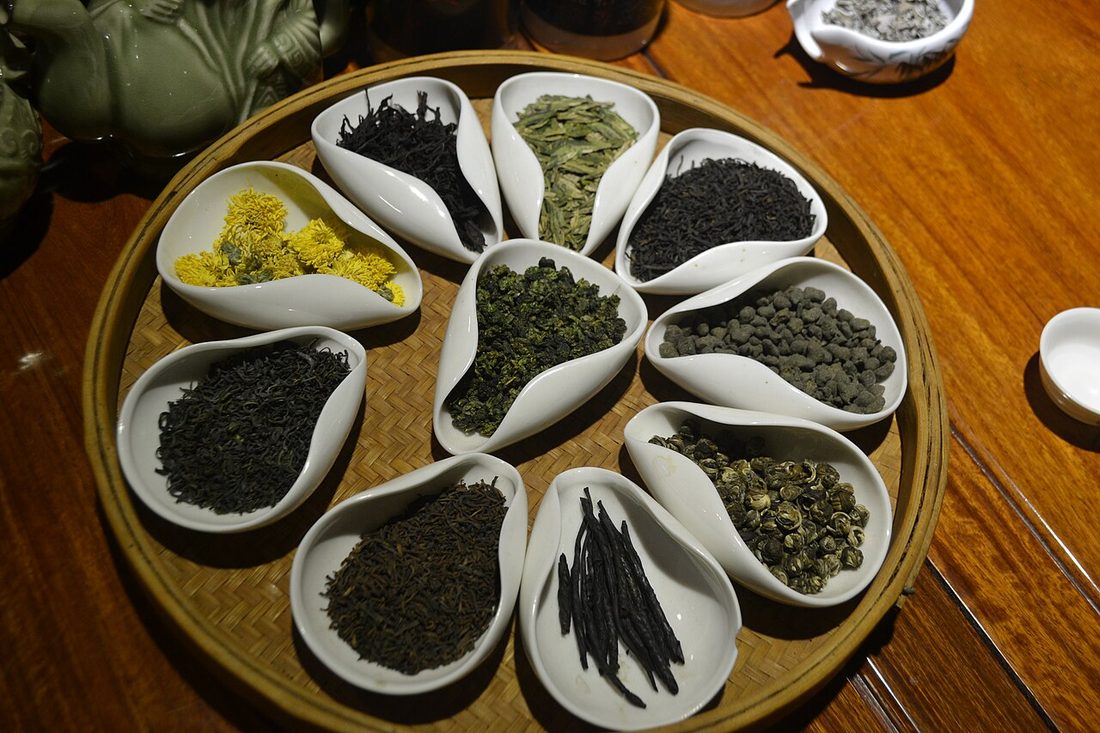
Tea is a drink made by pouring hot water over the dried leaves of Camellia sinensis, and brewed plain it is almost entirely water with next to no calories. What it does bring is caffeine and plant compounds called polyphenols. Green, black, and oolong teas all come from the same plant and differ in processing: green tea leaves are steamed or pan-fried and dried without oxidation, black tea is oxidised, and oolong is partly oxidised.
The polyphenols include catechins in green tea, of which EGCG is the main one, and theaflavins, which form when black tea leaves are oxidised. Tea also contains L-theanine, an amino acid found almost nowhere else in the ordinary diet, which is studied for its calming effect, especially paired with caffeine. Caffeine is modest: an 8-ounce cup of brewed green tea carries roughly 28 milligrams, about a third of the same amount of brewed coffee, and a cup of black tea about 47 milligrams. Most healthy adults can safely handle up to 400 milligrams of caffeine a day.
What the research says
Harvard's T.H. Chan School of Public Health sums the evidence up this way: animal studies suggest benefits from tea's polyphenols, while human studies are less conclusive but promising. Observational research links 2 to 3 cups a day with a lower risk of premature death, heart disease, stroke, and type 2 diabetes. In the Ohsaki study, which followed more than 40,000 Japanese adults for over a decade, people who drank five or more cups of green tea daily had notably lower cardiovascular mortality than those who drank less than one cup.
For the heart, a Cochrane review found few large, long-term studies. Tea seems to have favourable effects on heart risk factors, but that rests on a modest number of small, short trials. In randomised trials, green tea lowered total and LDL cholesterol to a small extent, but most of those trials tested green tea extract supplements rather than the drink, and evidence for black tea is inconsistent. The catechins and caffeine in green tea may have a modest effect on body weight, which varies with the product and with physical activity.
Where the evidence is weak
Results on cancer from human studies are inconsistent. EGCG has stopped cancer cell growth only in animal and cell studies, and a meta-analysis of 41 prospective studies found no lower risk of five cancers with black tea. The National Center for Complementary and Integrative Health notes that green tea has been linked to lower coronary heart disease risk in Asian populations but not Western ones — a reminder that the people who drink several cups a day often differ from those who don't in dozens of ways researchers cannot fully measure.
There are also real cautions. Drinking very hot tea, above about 65 degrees Celsius, has been linked with a higher risk of cancer of the oesophagus; the World Health Organization's cancer agency classifies drinks above 65 degrees as probably carcinogenic to the oesophagus. Tea can also reduce iron absorption from food when drunk with meals, because its tannins bind iron in the gut. And green tea extract supplements, which are far stronger than the drink, have been linked to liver problems in rare cases — another reason the drink and the supplement are not the same thing.
The honest summary is the one Harvard gives: tea is a sensible, enjoyable choice with some likely benefits, not a pill. Drink it because you enjoy it, not because a label promised it would fix something. If you have a health condition or take medication, ask a doctor or pharmacist, not a tea packet.
Sources: Best Tea Bags, "Tea and Health: What the Research Actually Says (2026)"; Body Soul Mind, "Tea: nutrition facts and what the evidence says"; FAO, "Tea — Markets and Trade" Checked 27 November 2026.