The Opium Wars and Tea: The Triangle That Broke China Open
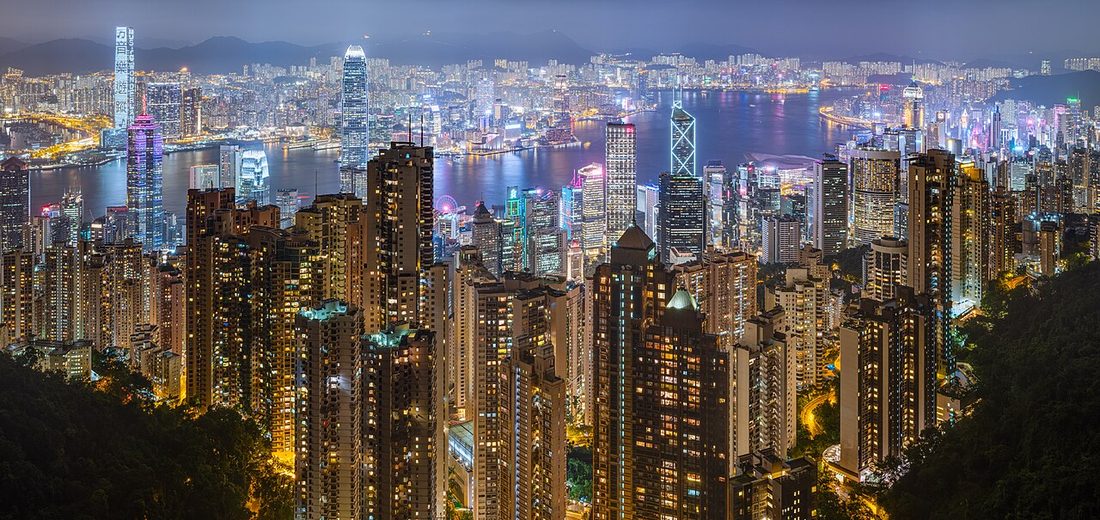
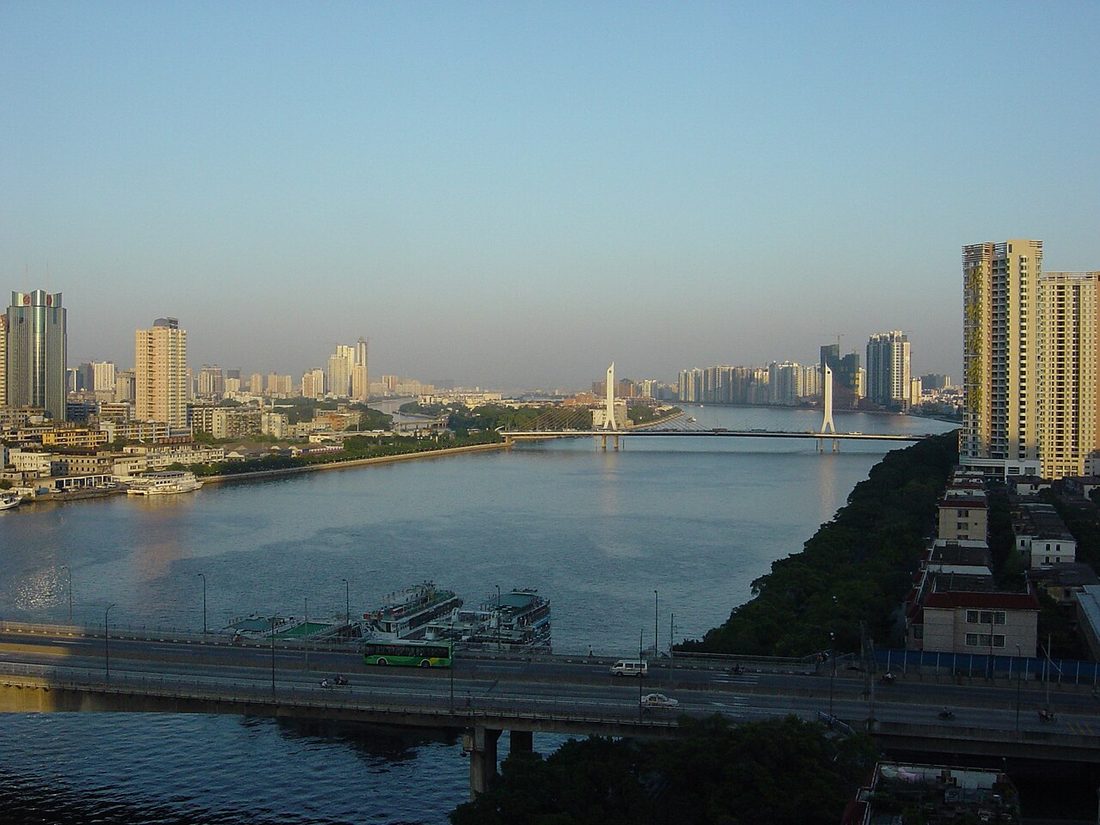
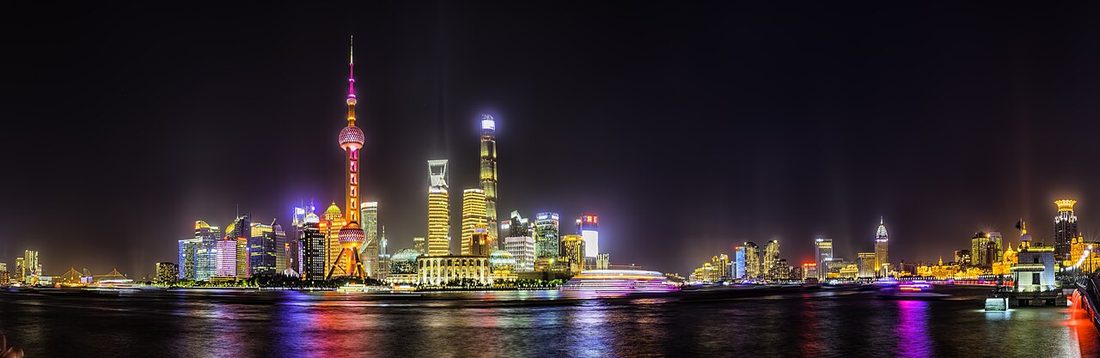
For a century, Britain bought Chinese tea with silver — and the silver was running out. The East India Company's answer was opium: grown in Bengal, sold illegally into China, paid for in silver, and that silver used to buy the tea. When China tried to stop the trade, Britain went to war over it. Twice. The wars ended with China forced open, Hong Kong ceded, and the tea trade changed forever.
In short
The Opium Wars grew out of the tea trade. Britain's demand for Chinese tea, silk, and porcelain exceeded anything China wanted in return except silver, so the East India Company sold Indian opium into China illegally and used the silver to buy tea. When the Qing government seized and destroyed the opium in 1839, Britain sent a naval expedition. The First Opium War (1839-42) ended with the Treaty of Nanking, which ceded Hong Kong Island to Britain and opened five ports to Western trade.
The triangle
In the 18th century China enjoyed a trade surplus with Europe, trading porcelain, silk, and tea in exchange for silver. Trade between China and Britain was heavily imbalanced in China's favour. As Britain's demands for tea, silk, and porcelain exceeded Chinese demands for British goods, British merchants started exporting opium from India. This shift reversed the balance of trade.
The mechanism was simple and deliberate. The East India Company held the production monopoly on opium in Bengal. It sold the drug to private merchants, who carried it to China and sold it to smugglers. The merchants insisted on silver in payment, and that silver was used to buy the tea. By 1797 the Company was selling 4,000 chests of opium a year; by 1833 the trade had soared to 30,000 chests, about 2,310 tonnes. Before 1828 large quantities of Spanish silver flowed into China to pay for tea; in the 1830s the flow reversed, and China exported tens of millions of silver dollars.
China strikes back
The Qing government saw opium as a serious social and moral threat as well as a drain on silver. The Daoguang Emperor charged his commissioner Lin Zexu with ending the trade. Lin estimated the number of Chinese addicts at 4 million; a British physician working in Canton put the figure at 12 million. By 1838 the number of addicts had grown to between 4 and 12 million, and the Emperor demanded action.
In 1839 Lin seized the opium held by foreign merchants in Canton and destroyed it. Britain responded by sending a naval expedition to force the Chinese government to pay reparations and allow the opium trade. The First Opium War was fought from 1839 to 1842, and it quickly revealed how outdated the Chinese military was against European steamships and artillery.
The treaties
The war was concluded by the Treaty of Nanking in 1842, the first of the unequal treaties between China and the Western powers. It ceded Hong Kong Island to Britain and established five cities as treaty ports open to Western traders: Shanghai, Canton, Ningbo, Fuzhou, and Xiamen. It also ended the old Canton System, under which all foreign trade had passed through one port and thirteen licensed firms.
The Second Opium War followed in 1856-60, waged by Britain and France against China, and ended with the Treaty of Tientsin and the Convention of Peking. China was forced to legalise opium, pay 8 million taels to Britain and France, and cede Kowloon. The two conflicts, along with the treaties imposed during the century of humiliation, weakened Chinese sovereignty and forced China open to Western merchants. Tea was no longer a trade China controlled on its own terms — and within a few years, Britain would not even need to buy it from China at all.
Sources: Wikipedia, "Opium Wars"; Lumen Learning, "The Opium Wars"; Victorian Web, "England and China: The Opium Wars, 1839-60" Checked 27 November 2026.